Championship Links GolfFront 9
10 Days
Discover the Old Course at St Andrews, the historic Home of Golf and a legendary links shaped by centuries of history, iconic holes and unforgettable Open Championship moments.
There are famous golf courses, and then there is The Old Course at St Andrews. Golf has been played on this remarkable stretch of linksland for centuries, with the game at St Andrews dating back to at least the early 1400s. Today, the Old Course remains the most celebrated course in the game and the centerpiece of any pilgrimage to the Home of Golf. What makes it special isn’t immaculate landscaping or dramatic modern design. It’s the history beneath your feet, the unusual architecture, the unpredictable Scottish weather and the knowledge that generations of golf’s greatest players have faced exactly the same challenge.
Remarkably, the Old Course is also a public golf course. It forms part of St Andrews Links and sits right alongside the town, with the famous 18th fairway leading golfers back toward the R&A Clubhouse and the streets of St Andrews. Few places blur the line between golf, history and everyday life quite like it.
A Golf Course Unlike Any Other
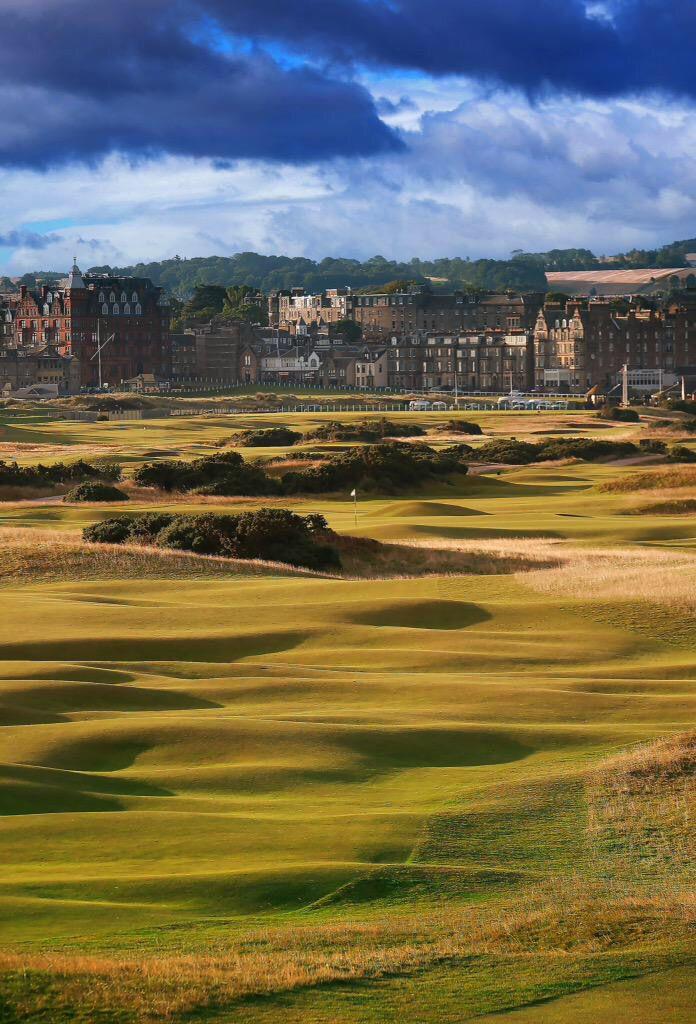
The Old Course doesn’t follow the conventions of a modern championship layout because many of those conventions simply didn’t exist when it evolved. Golfers encounter enormous shared fairways, seven double greens, deep revetted bunkers and some of the most unusual strategic decisions in golf.
One of its defining features is the routing. After playing away from town, the course turns at the far end of the links before working its way back toward St Andrews. Much of the trouble sits on the direct line to the hole, meaning the safest route from the tee can leave a much more difficult approach. That strategic choice between position and aggression has influenced golf course architecture around the world.
Then there are the bunkers. More than 100 are scattered across the links, many with names and stories of their own. Hell Bunker on the 14th is among the most intimidating, while the infamous Road Hole Bunker has wrecked countless rounds on the 17th. Knowing where not to hit the ball is often just as important as knowing where to aim.
The Most Famous Finish in Golf
Few stretches of golf are as instantly recognizable as the closing holes of the Old Course, and the 17th Road Hole is one of the most feared par fours anywhere in the world.
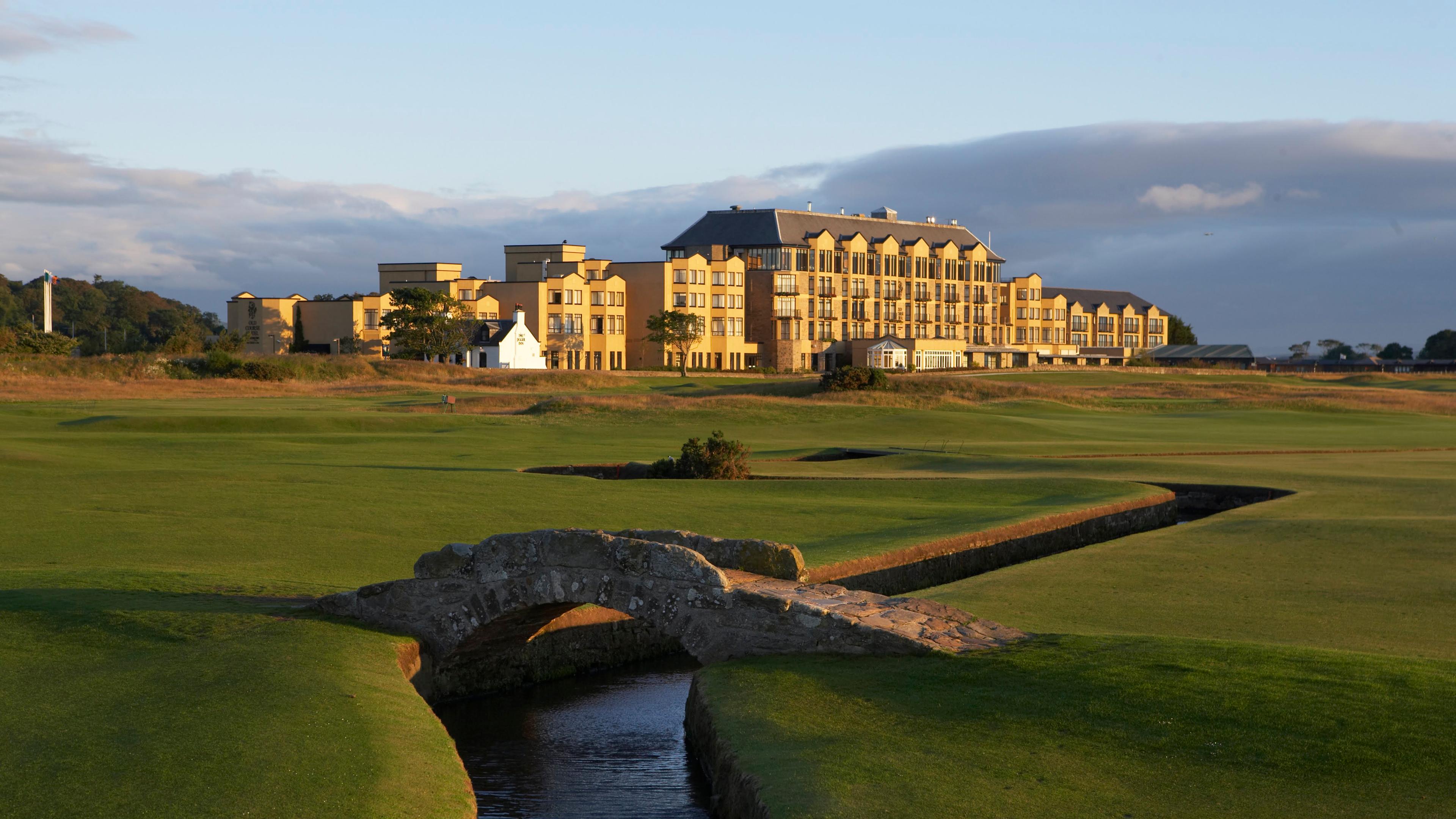
The hole begins with one of golf’s strangest tee shots. The traditional championship line requires players to drive over part of the Old Course Hotel before approaching a narrow green guarded by the Road Hole Bunker. Miss beyond the green and the historic stone wall and road come into play, creating a hole where par is always a good score.
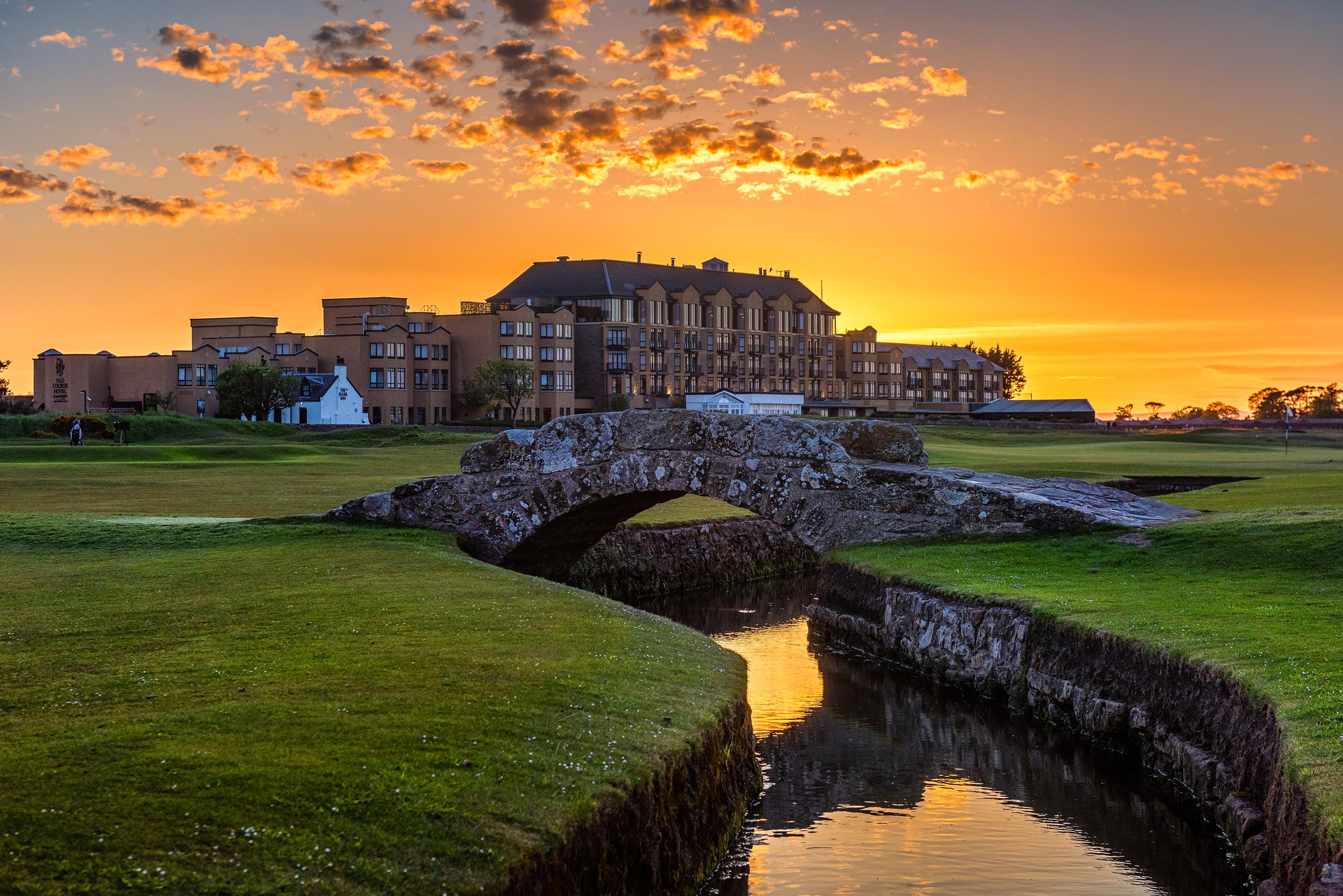
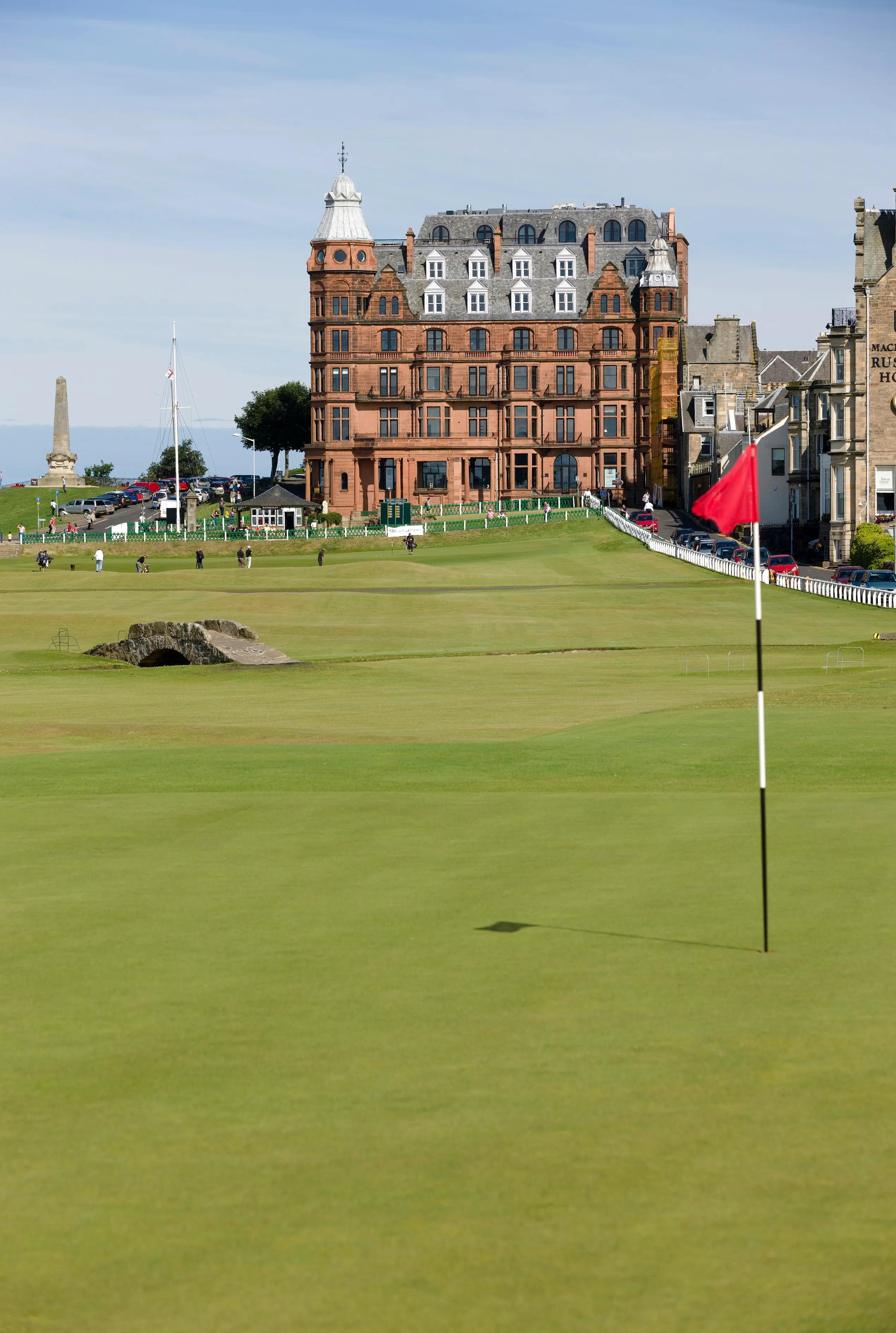
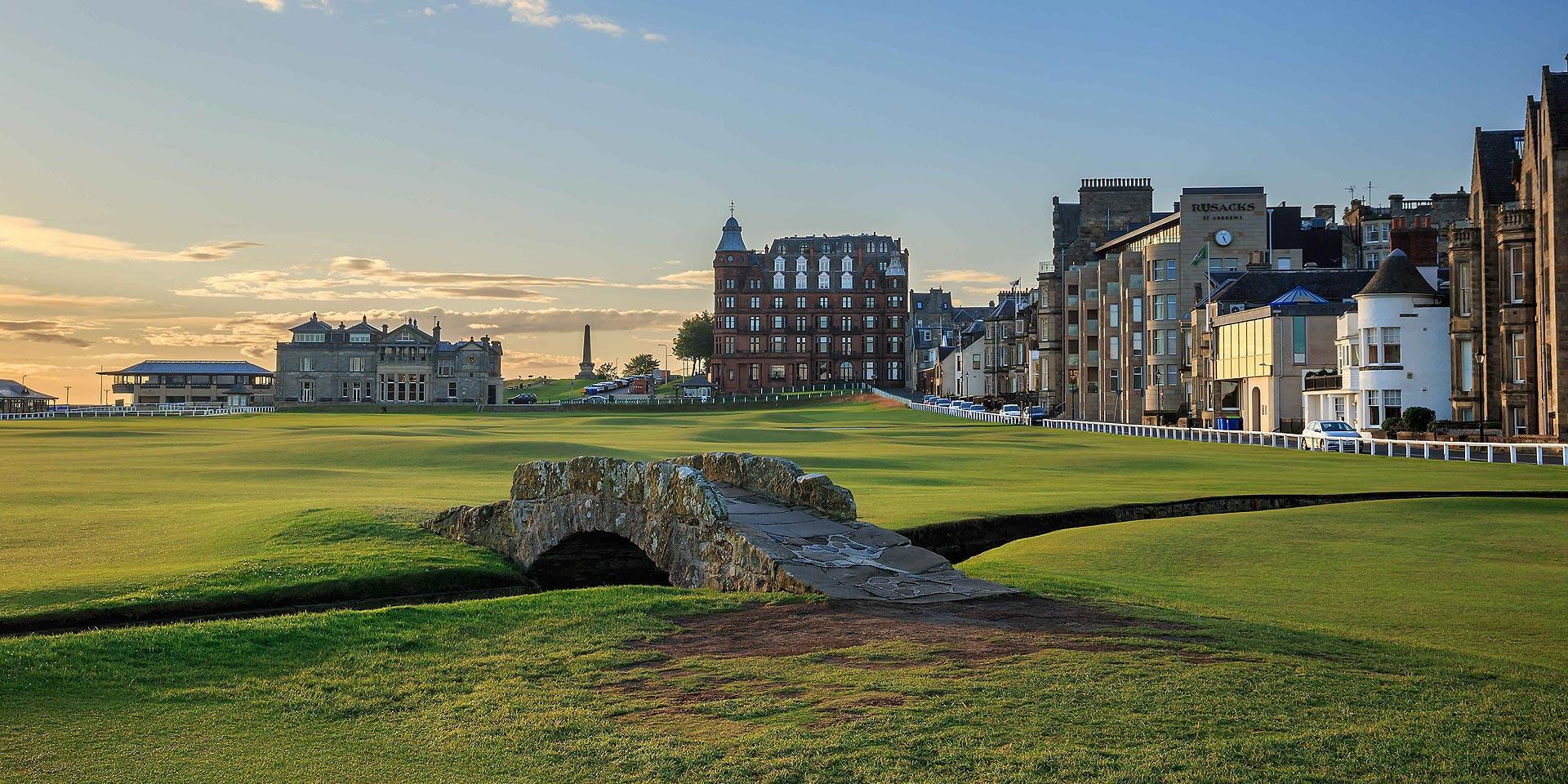
The 18th provides an unforgettable contrast. The fairway opens up toward the town before golfers walk across the Swilcan Bridge, one of golf’s most photographed landmarks. From there, the final approach must negotiate the Valley of Sin before reaching the enormous shared 1st and 18th green.
Finishing beneath the R&A Clubhouse with St Andrews surrounding you is an experience that is difficult to replicate anywhere else in golf.
The Old Course and The Open Championship are inseparable. St Andrews first hosted The Open in 1873 and has since staged the championship more often than any other venue.
Its list of champions reads like a history of the game. Bobby Jones, Sam Snead, Peter Thomson, Jack Nicklaus, Seve Ballesteros, Nick Faldo and Tiger Woods have all lifted the Claret Jug at St Andrews. Woods’ performance in 2000 remains particularly memorable, when he famously completed all four rounds without finding a single bunker.
Jack Nicklaus won both of his Open Championships at St Andrews and later chose the Swilcan Bridge for one of golf’s most memorable farewells when he played his final Open in 2005. Tiger Woods has also spoken repeatedly about his affection for the course, winning here again in 2005.
The championship returns to the Old Course in 2027, when St Andrews will host The Open for a record 31st time.
More Than a Round of Golf
Playing the Old Course isn’t just about checking a famous course off a list. Part of the experience is simply being in St Andrews.
The 1st and 18th holes sit alongside the town, and golfers can walk from the final green into its streets within minutes. Nearby you’ll find the ruins of St Andrews Cathedral and St Andrews Castle, the historic University of St Andrews and the R&A World Golf Museum. Golf shops, pubs, restaurants and hotels fill the surrounding streets, while golfers carrying their clubs toward the links are part of everyday life.
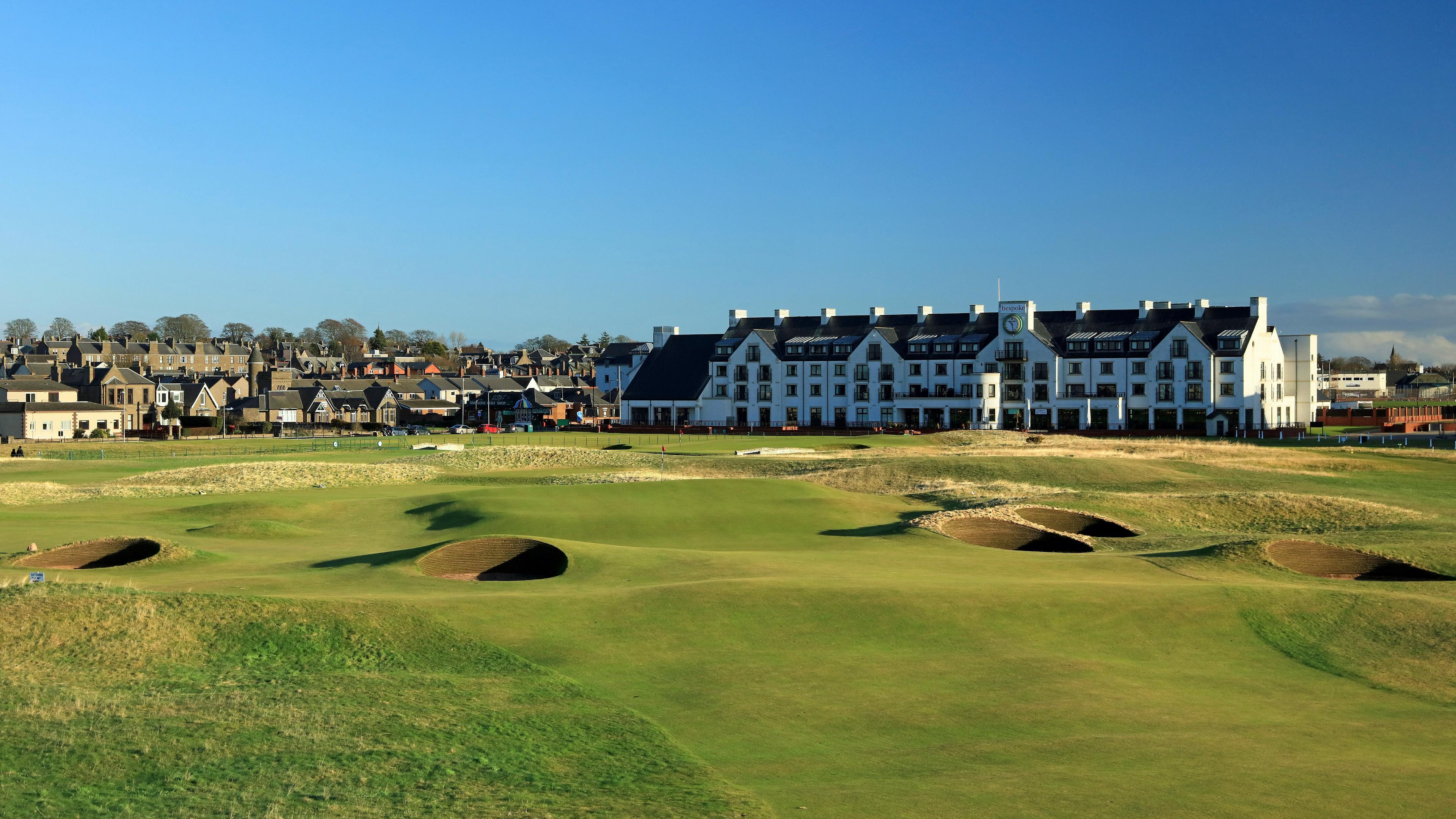
There are also six other courses managed by St Andrews Links, including the New, Jubilee and Castle courses. Add nearby courses such as Kingsbarns, Dumbarnie, Crail and Lundin, and St Andrews becomes an exceptional base for a wider Scottish golf trip.
Best Time to Play the Old Course
The main golf season in St Andrews runs from spring through fall, with May through September generally providing the longest days and most favorable playing conditions. During the height of summer, Scotland’s northerly latitude means daylight can stretch well into the evening, creating the possibility of remarkably late tee times.
But there is never a guarantee of perfect weather at St Andrews, and that’s part of links golf. Wind can completely transform the Old Course from one day to the next. A relatively straightforward hole in calm conditions can become a completely different proposition when the breeze arrives from the North Sea.
For many golfers, that’s exactly how the Old Course should be experienced.
Playing the Old Course is one of golf’s great bucket-list experiences. From the first tee beside the R&A Clubhouse to the walk across the Swilcan Bridge on 18, few rounds carry the same sense of history or anticipation. Explore our St Andrews golf packages and start planning your journey to the Home of Golf.
The Old Course may be the centerpiece of any trip to the Home of Golf, but it is surrounded by an incredible collection of historic links and modern championship courses that make St Andrews one of the world’s greatest golf destinations.
10 Days
10 Days
7 Days
See All Our Scotland Golf Packages
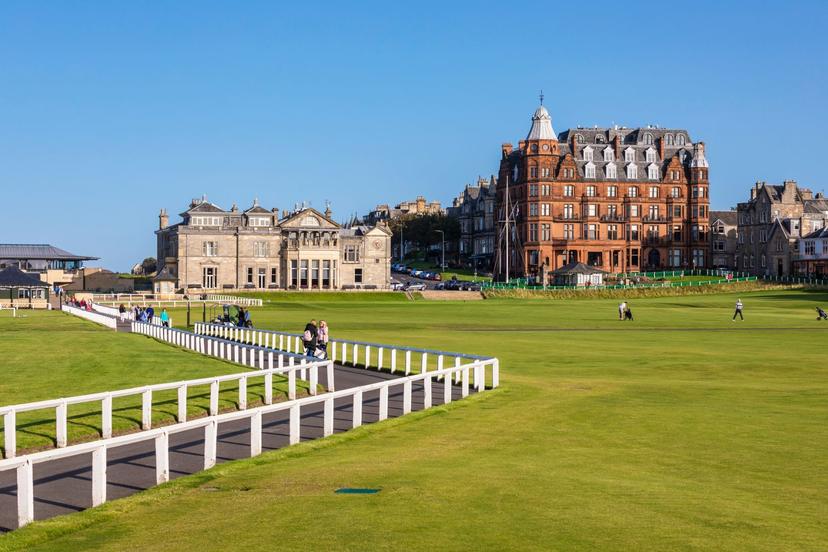
Scotland is the ultimate golf travel experience, offering centuries of historic links play and unparalleled natural drama along its rugged coastline.
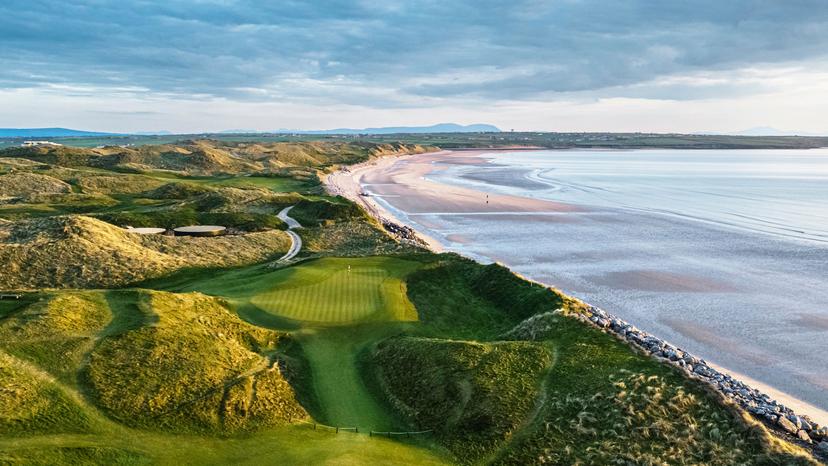
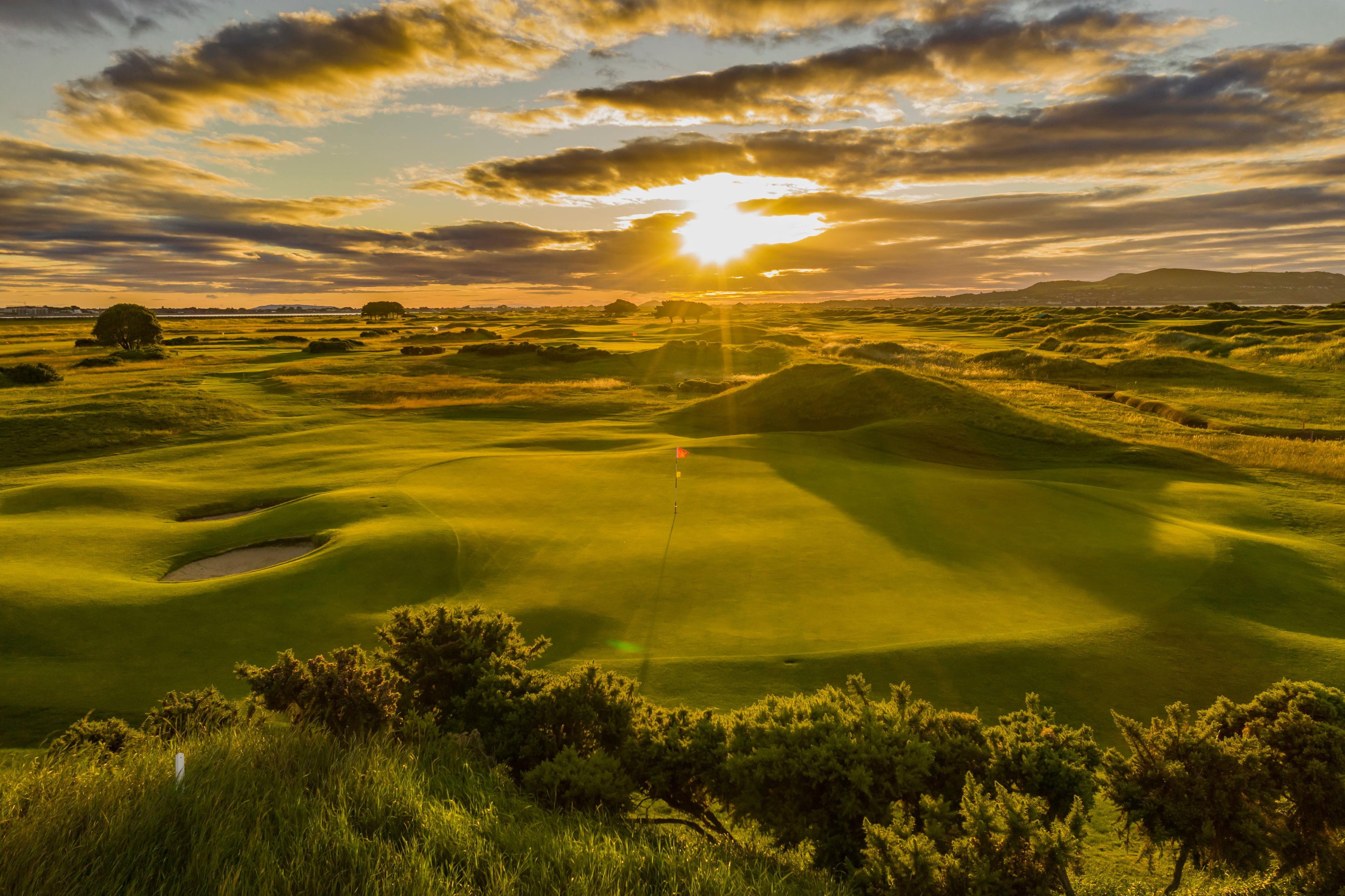
Ireland is the ultimate pilgrimage for links golf, offering a wild, natural challenge across ancient dunes paired with world-famous hospitality.
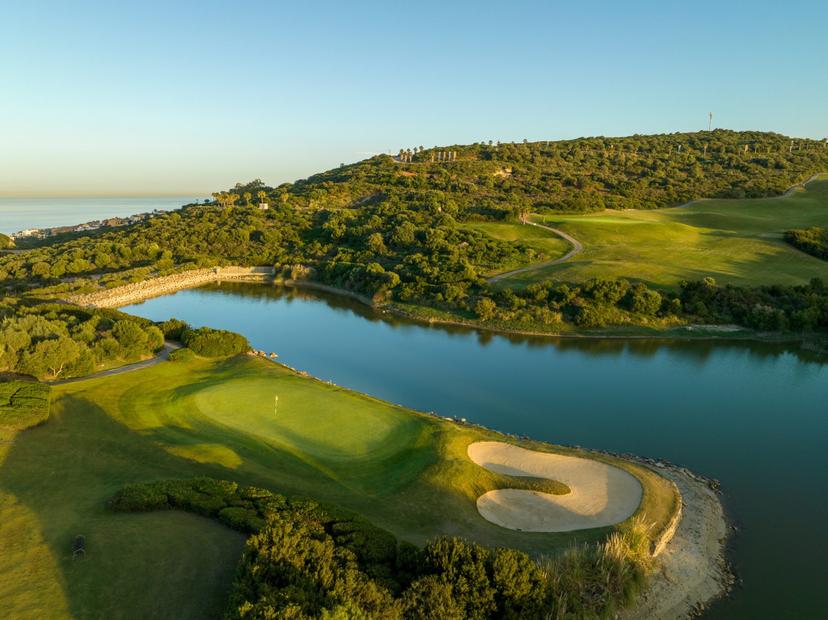
With over 320 days of sunshine a year and a density of world class courses, Spain’s southern coast is truly Europe’s ultimate year round golf vacation destination.

Florida is the true heavyweight champion of American golf vacations, boasting year round sun and an unparalleled concentration of world famous courses and luxury resorts.
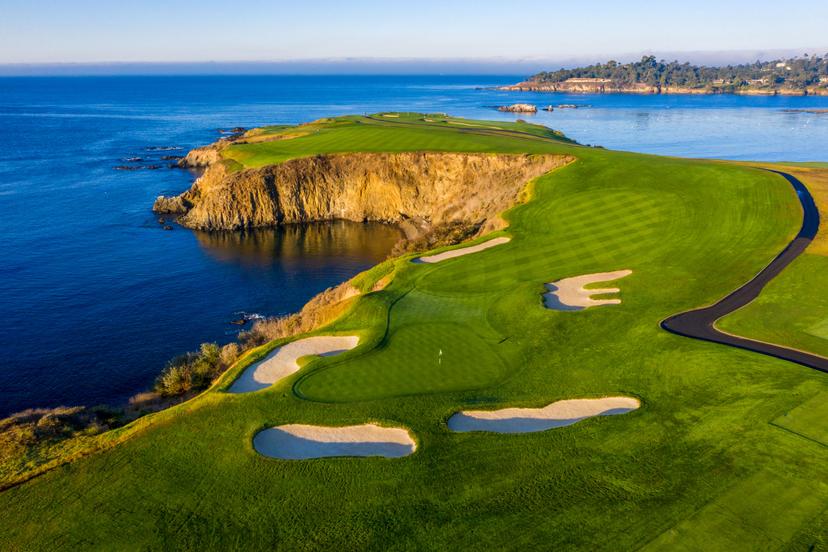
Pebble Beach Resorts is the world’s most iconic public golf destination, offering bucket list rounds on three legendary courses and unparalleled California luxury along the Monterey cliffs.
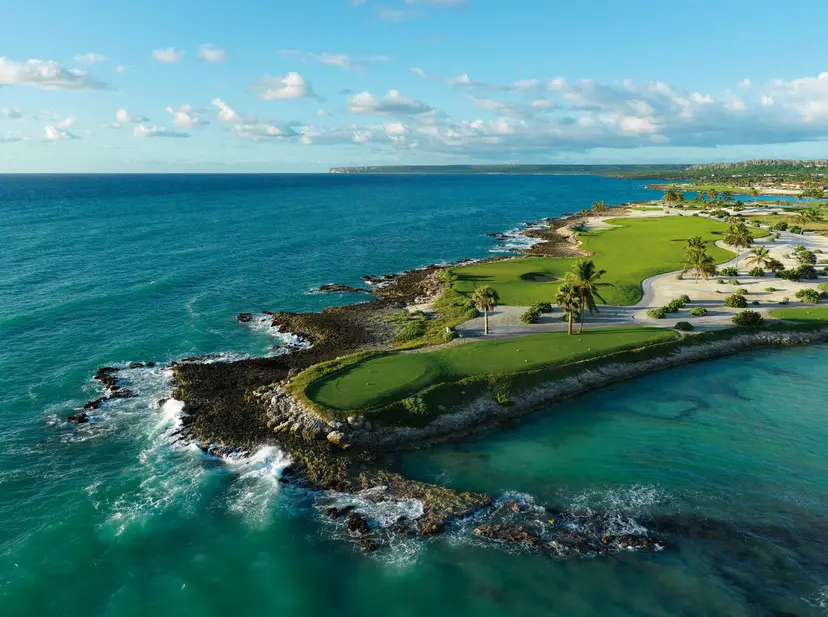
The Dominican Republic is the undisputed champion of Caribbean golf, featuring iconic Pete Dye and Jack Nicklaus designs set against the turquoise sea and white sand.
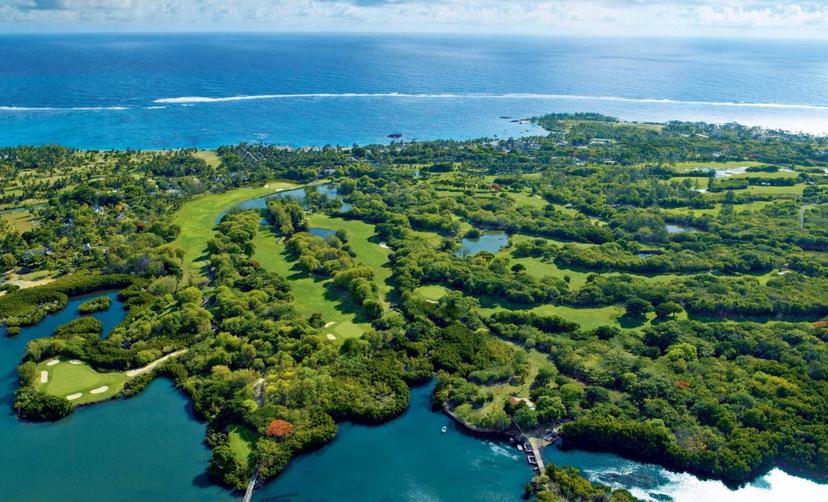
Constance Belle Mare Plage is the premier golf resort in Mauritius, offering complimentary, unlimited play on two championship courses against a spectacular Indian Ocean backdrop.
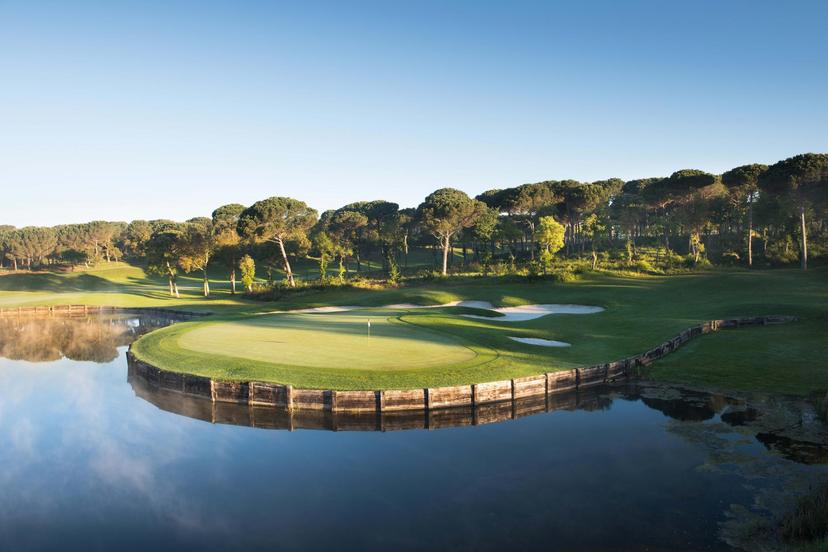
Camiral a Quinta do Lago Resort is Spain’s number one golf destination, offering two championship courses and holistic luxury just a short trip from Barcelona and the Mediterranean.